

Why tape archives can't wait
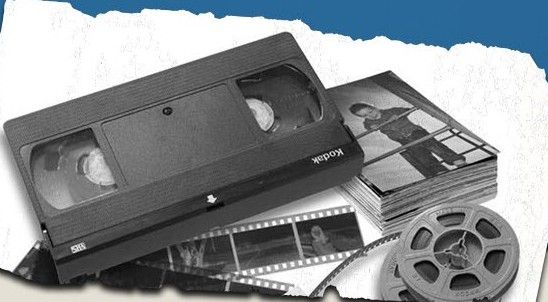
Magnetic tape degrades over time and playback machines are disappearing. That makes digitization a race against the clock.
Many organizations in the Kingdom hold long hours of recordings on magnetic tape: TV programs, interviews, event recordings and radio material. These recordings are part of the national memory, but they live on a medium that was never designed to last forever.
Tape degrades even when it isn't used
The magnetic layer is affected by heat and humidity. Over the years, the binder in some tapes can break down and turn sticky, shedding oxide during playback and losing parts of the picture and sound. The longer digitization waits, the more likely special treatment will be needed before playback.
Playback machines are rarer than the tapes
Formats such as U-matic and One Inch need professional machines that went out of production years ago, and spare parts and the technicians able to service them become scarcer every year. Any digitization project depends on having both the equipment and the expertise.
Digitizing alone is not enough
An archive is only valuable if you can find things in it. That is why we catalogue every item with metadata such as title, date, director, engineer and cinematographer, turning a pile of files into a searchable archive.
Where to start
Start with a rough inventory: how many tapes, which formats, and what visible condition? That is enough to estimate the size and duration of a project. If you like, send it to us through the Start a project page.