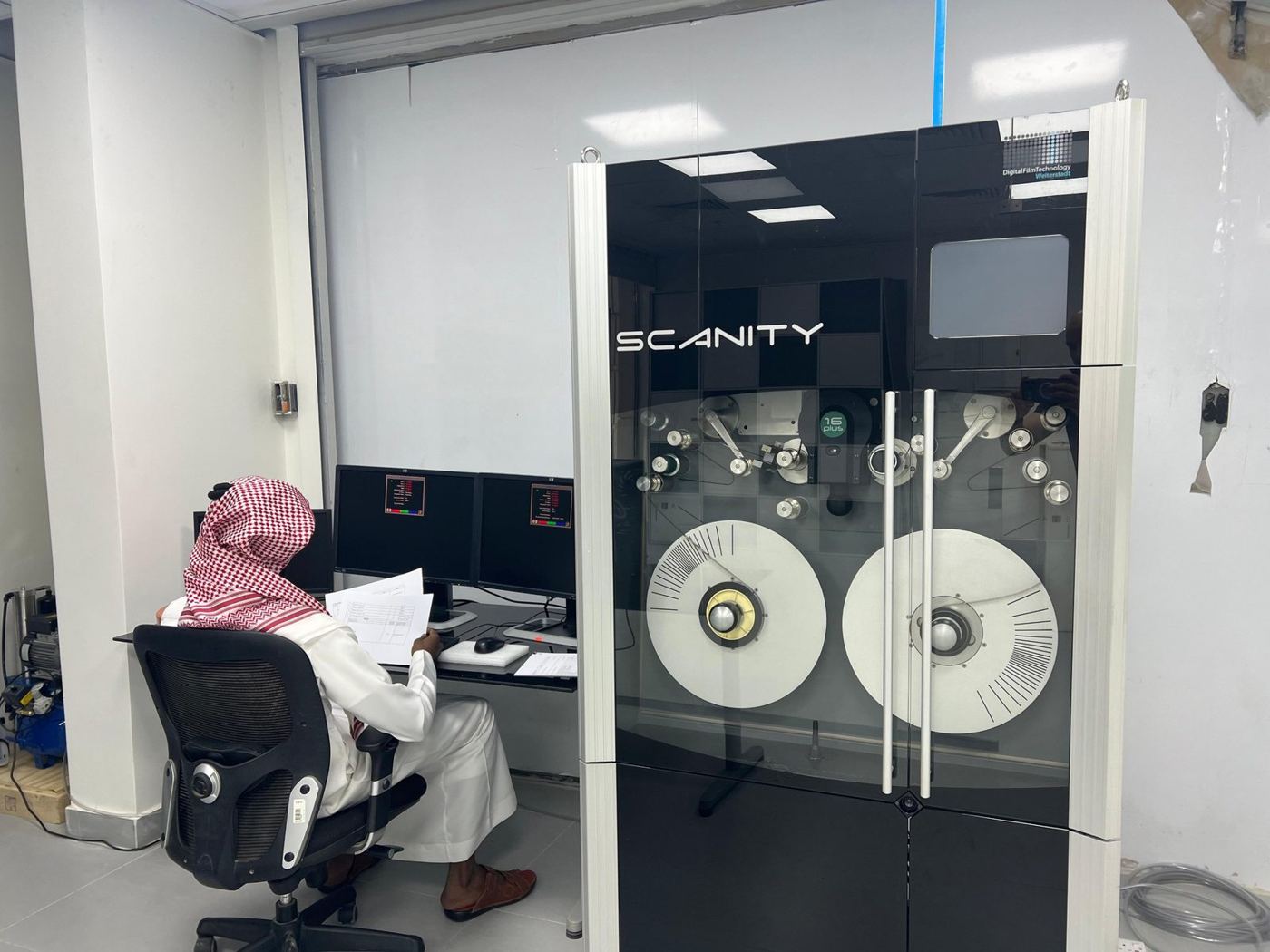


From 8mm to 70mm: a quick guide to film formats
Before you digitize your archive, know your film format. A short guide to the most common formats and what each needs.
Films differ in width, how they were shot and what they were used for. Knowing your format helps estimate the size and requirements of a digitization project.
8mm and Super 8
A small format popular for home and family movies. Clips are usually short but carry great documentary and emotional value.
16mm
Widely used for documentaries, educational films and TV news coverage, thanks to lighter cameras and lower cost than 35mm.
35mm
The standard cinema format for decades, holding fine detail that deserves high-resolution scanning.
70mm
A wide format for large productions, requiring scanners able to handle its width and detail.
Nitrate film
Nitrate base was used until roughly the early 1950s. It is flammable and decomposes over time, so it needs special, careful handling for storage and scanning.
What next?
If you're not sure of your format, photograph the film can and reel and send them to us through the contact page, and we'll help identify it.